- Sector : Sustainable Agriculture
- Location : Nigeria
Overview
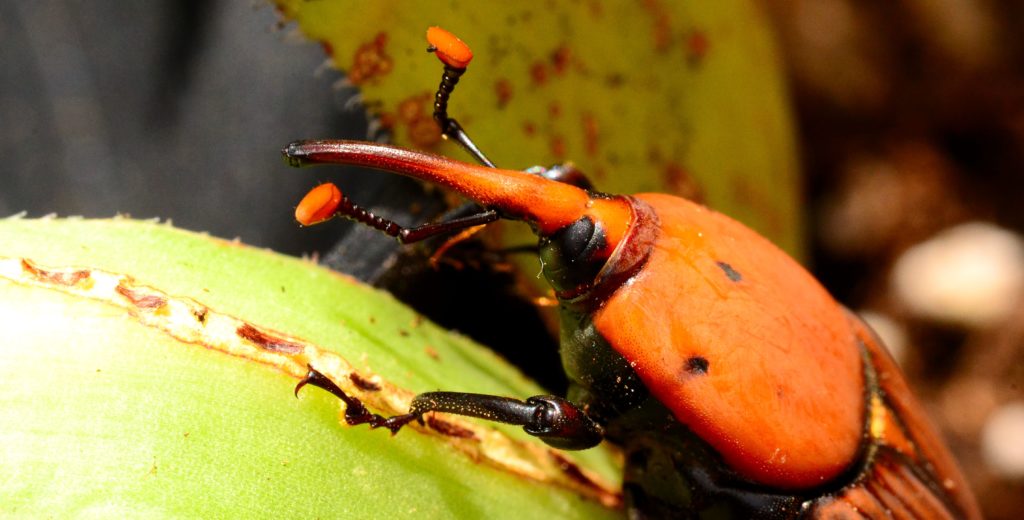
The Subnational Climate Fund (SCF) is providing technical assistance to a project in Nigeria that aims at improving food security by increasing the availability of locally produced protein through the introduction of palm larva farming and processing in West Africa.
As Nigeria’s population increases, so does its demand for affordable protein. Presently, Nigeria is heavily reliant on imported protein to meet these needs. Palm weevil larvae farming offers a low-emission alternative to expensive imports by providing a high-protein, nutrient-rich, food source, and reducing resource use and emissions compared to traditional livestock farming. Its integration into local food systems can enhance food security, alleviate poverty, and promote sustainable agriculture. This aligns with Nigeria’s National Agricultural Technology and Innovation Plan and the National Food Security Programme.
As the demand for alternative proteins, sustainable agricultural practices, and food security increases, insect farming, including palm larvae cultivation, has great potential across the Global South, especially in West Africa. The global edible insect market is projected to reach significant growth, and Nigeria has been recognized to become a key player in this emerging sector. By leveraging this momentum, this project aims at integrating palm larvae farming into local and regional food systems, contributing to a resilient and sustainable agricultural future.
The Challenge
Nigeria, one of Africa’s largest economies, has a rapidly growing population and a rising middle class that are driving demand for high quality nutritious foods.
Historically and culturally, cattle are considered important livestock, given the country’s high beef consumption. However, insecure land tenure and a lack of supportive policies have limited investment in long-term livestock production improvements in Nigeria. As a result, Nigeria has a strong reliance on food imports to address its protein consumption.
Inadequate infrastructure, such as poor road networks and insufficient storage facilities, further hampers efficient livestock operations. High costs of animal feeds and prevalence of animal diseases also pose significant challenges to the sector.
At the same time, persistently high domestic inflation, combined with foreign exchange volatility and structural challenges in local livestock production, have made imported sources of high-quality protein increasingly unaffordable, exacerbating malnutrition and food insecurity.
SCF’s Involvement – Technical Assistance
SCF Technical Assistance has completed a comprehensive pre-feasibility study to de-risk and accelerate the commercialization of a palm larvae protein project in Nigeria for a potential investee. This technical assistance encompassed:
Market Assessment & Validation
- Validated consumer acceptance of palm larva powder through targeted consumer studies and strategic partner feedback across key demographics
- Conducted demand analysis quantifying market size and growth potential for palm larva-based protein powder within Nigeria’s expanding protein market
- Benchmarked pricing competitiveness against traditional protein sources (milk, shrimp, fish powders) to establish viable market positioning and margin structures
- Mapped priority market segments including food processors, manufacturers, and retail distribution networks to identify highest-value entry points
Commercial Strategy & Scale-Up Roadmap
- Identified and evaluated commercial partnerships and distribution channels to accelerate market penetration
- Developed targeted strategies to secure offtake agreements with leading Nigerian food manufacturers including Tolaram, UAC Foods, and Flour Mills Nigeria
- Analyzed production capacity requirements, cost structures, and operational constraints to define a scalable, financially viable business model
- Identified financing mechanisms, investment partnerships, and blended finance opportunities to support project capitalization and expansion
This completed study provides the evidence base and commercial roadmap necessary for informed investment decisions, partnership structuring, and policy support for sustainable protein innovation in Nigeria.
Our Target Impact
Palm weevil farming has the potential to deliver significant environmental, social and economic benefits, aligning with the following UN Sustainable Development Goals (SDGs):
-
SDG 13 Climate Action
The project uses sustainable insect farming practices that produce fewer emissions than traditional livestock farming. By feeding palm larvae with local agricultural by-products, it reduces waste and avoids deforestation, helping to lower carbon emissions. Palm larvae farming also requires less land and water, aligning with Nigeria’s climate goals.
-
SDG 8 Decent Work and Economic Growth
The palm larvae processing plant will create jobs in farming, processing, and distribution, boosting local employment. By enhancing the local food industry and reducing reliance on imports, the project supports economic growth and strengthens local economies.
-

SDG 5 Gender Equality
Legendary Foods promotes gender equality by ensuring that over 50% of its workforce are women. The project provides training and job opportunities for women in farming and management roles, empowering them economically. The nutritional benefits of palm larvae also support women’s health, particularly for those of childbearing age.
-
SDG 2 Zero Hunger
Palm weevil larvae can provide an affordable and nutritious food source that can help combat malnutrition and improve dietary diversity. This project is expected to produce 14,400 MT of palm larvae across different food products and achieve 20% increase in consumption among women and children.