- Sector : Sustainable Agriculture
- Location : Nigeria
- Involvement : Technical Assistance
Overview
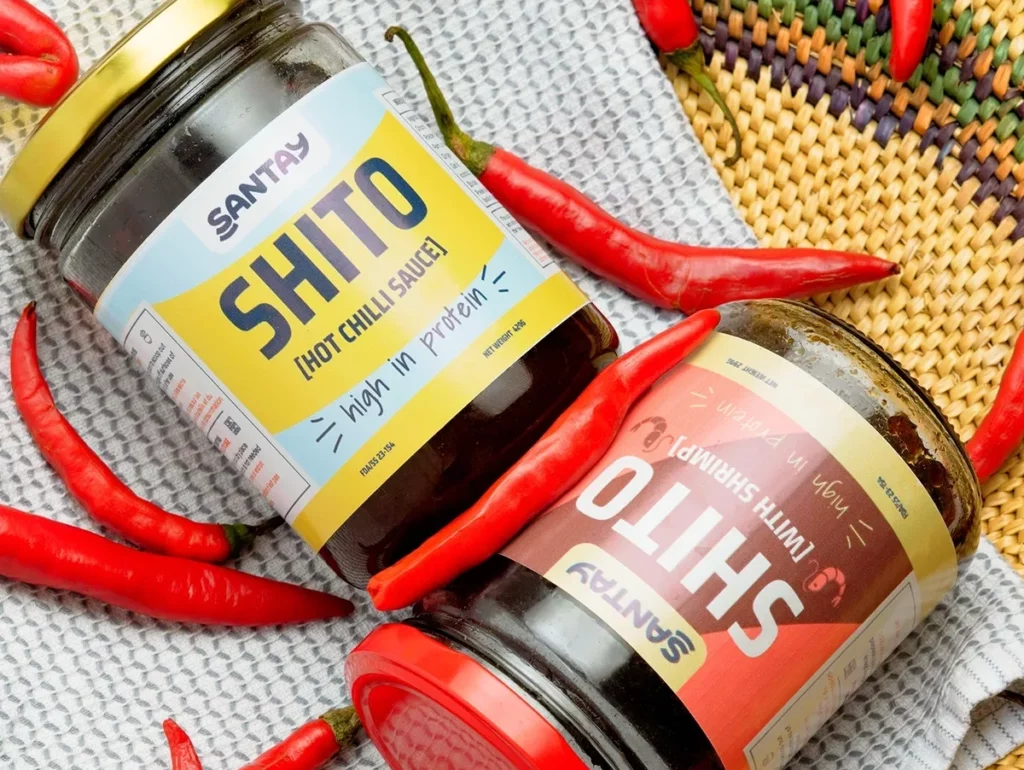
Legendary Foods Africa farms palm weevil larvae, known in Ghana as akokono, in a proprietary vertical system and processes them into protein products such as akokono shito, a version of the chilli sauce eaten across the country, biscuits, powders and dried snacks. The larvae are a traditional food across West and Central Africa and are rich in protein, fats and micronutrients. They are harvested by smallholder farming families, which gives those households an additional and reliable income stream, and indoor farming removes the palm felling associated with harvesting them from the wild. The company is established in Ghana, founded by Shobhita Soor, and is expanding the model into Nigeria and exploring routes to regional markets in West & Central Africa.
The Subnational Climate Fund (SCF) has provided technical assistance, commissioning an independent pre-feasibility study to establish whether palm larvae protein can be commercialized at scale in the Nigerian market. That study is now complete. Following completion of the study, the company secured a new investment with fair equity, Launch Africa, Draper Richards Kaplan Foundation and Obudu Capital as investment partners as announced in October 2026. The investment is separate from SCF, which has provided technical assistance only.
The Challenge
Nigeria’s population and middle class are growing, and with them demand for high-quality protein. Domestic livestock production is not keeping pace, and the country experiences severe food insecurity. Insecure land tenure and limited policy support have held back long-term investment, while poor road networks, inadequate cold storage, high feed costs and animal disease all constrain the sector. The result is heavy reliance on imported protein.
In recent years, that reliance has become expensive with persistent domestic inflation and foreign exchange volatility have pushed imported protein away from reach for many households, worsening malnutrition and food insecurity.
Insect protein has proved to part of the regional diet rather than a novel product, which removes the consumer acceptance barrier that alternative proteins usually face elsewhere. What had not been established was whether it could be produced, priced and distributed at commercial scale in Nigeria.
Technical Assistance
The SCF Technical Assistance Facility, led by IUCN in collaboration with Catalytic Finance Foundation and Gold Standard, commissioned an independent pre-feasibility study, on whether palm weevil larvae can be farmed and sold commercially from Ogun State, Nigeria. Fieldwork in Ogun, Delta and Bayelsa states combined in-depth interviews, focus group discussions and a survey of consumers with desk research. The study answered two sets of questions.
Market assessment and validation
- Palm larvae are already an established food in southern Nigeria, and 57% of surveyed consumers suggested awareness campaigns would make them more willing to try them.
- Supply depends on wild harvesting, with inconsistent hygiene and no product standards, and this is what keeps food processors from using larvae as an ingredient.
- Fresh larvae sell at around NGN 10,000 per kg, against roughly NGN 6,000 for chicken and NGN 7,000 for beef and fish, a scarcity premium that controlled, year-round farming is expected to reduce.
- Potential market entrance can be through the usage of larvae powder as partial replacement for soy, crayfish and shrimp in bouillon cubes and seasonings, and as a fortifier in cereals and baked snacks.
Commercial strategy and scale-up roadmap
- Registration with the National Agency for Food and Drug Administration and Control (NAFDAC) and certification by the Standards Organisation of Nigeria (SON), supported by published laboratory data, was suggested before any processor partnership, allowing timely processes.
- Establish a strategy to reach processors through pilots with low-level inclusion of larvae powder in bouillon products, backed by a technical dossier and designed to convert into renewable offtake agreements, with potential national distributors for retail.
- Identification of commercial risks, from regulatory ambiguity, consumer acceptance to scale-up, currency volatility and food fraud, each assessed with a suggested mitigation action.
- Identification of financing mechanisms such as grants for nutrition pilots and consumer work, equity for working capital and processing equipment, and development finance debt for capital expenditure, combined through blended finance to reduce the cost of capital and currency risk.
The study provided Legendary Foods an independent evidence base and a sequenced commercial roadmap ahead of its fundraising. The study also records its limits by covering three states. Because the sector remains largely informal, reliable commercial data was scarce and market size could not be quantified with confidence.
Our Target Impact
-

SDG 13 Climate Action
Insect farming produces substantially lower emissions than conventional livestock and uses less land and water. Feeding larvae on local agricultural by-products diverts waste, and indoor vertical farming avoids the palm felling used in traditional harvesting. Displacing imported protein also removes the transport emissions attached to it.
-
SDG 8 Decent Work and Economic Growth
The company’s farming and processing sites have led to the creation of over 70 jobs at the current scale and multiple more indirect jobs such as green entrepreneurs who collect valuable agri-waste for the company’s farming operation.
A processing plant is expected to create further roles in processing and distribution, strengthening the local food industry and reducing import dependence. Job numbers are to be confirmed and depend on the operating model and plant capacity the study recommends.
-
SDG 2 Zero Hunger
The project targets production of 14,400 tonnes of palm larvae annually across a range of food products, and a 20% increase in consumption among women and children.
-

SDG 5 Gender Equality
The company reports that more than half its workforce are women, and provides training and roles for women in both farming and management.