SCF-Backed Ifria Cold Chain Development Company Breaks Ground in Senegal
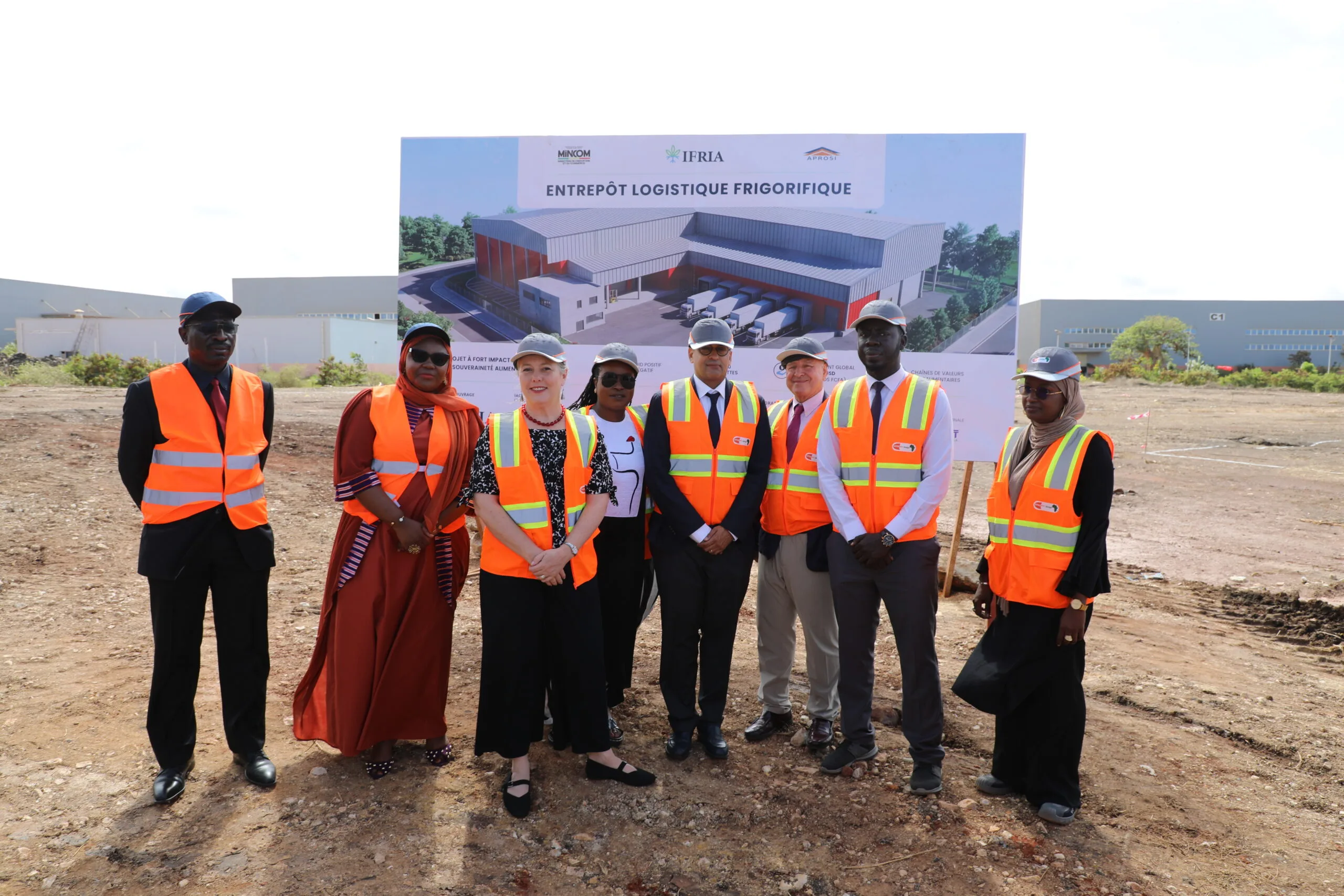
Image credits: US Embassy of Senegal
On 16 July 2026, Ifria Cold Chain Development Company broke ground on a new temperature-controlled logistics hub in Diamniadio, Senegal — a milestone that shows how the Subnational Climate Fund combines technical assistance and investment capital to move climate infrastructure from early-stage concept to bankable, financed delivery.
The approximately USD 20 million facility will provide over 10,000 chilled and frozen pallet positions for agricultural products, seafood, pharmaceuticals and retail goods, with a photovoltaic power system supporting more efficient, lower-emission operations. Construction is expected to complete within roughly 18 months. For SCF, the groundbreaking is the visible output of a longer process: identifying an investment barrier, deploying technical assistance to close it, and following that preparation with capital.
Cold chain infrastructure in North and West Africa remains chronically underfinanced relative to need. In Morocco and Senegal, post-harvest losses range from roughly 10% for poultry and red meat to 40–50% for some fruits and vegetables, with dairy and fish losses of 15–25%. These losses depress producer incomes, weaken food security and export competitiveness, and waste the resources embedded in production. Capital alone doesn’t solve this: what limits investment is the absence of platforms with a credible technical case, a validated energy and emissions strategy, and clear evidence for investment decisions — exactly the gap that keeps promising subnational infrastructure projects from reaching financing.
Technical Assistance First
SCF engaged Ifria through its Technical Assistance Facility, financing a set of studies to strengthen the platform’s technical foundations and impact case: an impact assessment, a carbon-credit feasibility study, an energy-efficiency assessment, and a renewable-energy feasibility study. This work helped Ifria evaluate how its facilities could reduce emissions linked to food loss and waste, integrate renewable energy, improve operating efficiency, and establish a credible framework for measuring development and climate outcomes — the evidence base investors and lenders need before committing capital.
From Change to Investment
SCF’s capital partnership sits within a wider financing structure: U.S. International Development Finance Corporation (DFC) public disclosures describe a proposed USD 10.5 million, ten-year loan for the Diamniadio warehouse, within an all-source package of approximately USD 19.35 million. This is the mobilisation effect SCF is designed to produce — a well-prepared, de-risked project attracting complementary development finance and lending alongside SCF’s own investment.
Why it Matters
Once operational, the facility is expected to extend shelf life, reduce food losses, and strengthen market linkages for SMEs across Senegal’s horticulture and aquaculture value chains, while giving pharmaceutical distributors access to reliable temperature-controlled storage. Reduced food waste also carries a climate benefit, avoiding the emissions embedded in food that is produced but never used and the methane released when it decomposes.
Ifria’s progress — from SCF-funded feasibility and impact studies, to SCF investment, to a financed construction site — is a concrete demonstration of SCF’s model: targeted technical assistance reduces uncertainty and strengthens bankability, and aligned investment turns that readiness into infrastructure, capital mobilised, and measurable development outcomes.
About Ifria Cold Storage
Ifria Cold Storage is a temperature-controlled logistics platform developing and operating modern cold chain infrastructure across North and West Africa. The company provides chilled, frozen and ambient warehousing, distribution and related supply-chain services for agricultural products, seafood, pharmaceuticals and retail goods. By expanding access to reliable cold storage, Ifria aims to reduce post-harvest losses, improve product quality and market access, and strengthen the resilience and efficiency of regional food and pharmaceutical supply chains.
About the Subnational Climate Fund
The Subnational Climate Fund is a blended-finance initiative supporting mid-sized infrastructure projects and companies in emerging markets. Through its Investment Fund and Technical Assistance Facility, SCF strengthens project fundamentals, enhances investment readiness and mobilises private capital for sustainable development outcomes across sectors including sustainable energy, waste management and regenerative agriculture. By focusing on early-stage project preparation, SCF bridges ambitious climate and nature objectives with the requirements of institutional investors, development finance institutions and philanthropic capital providers.
Discover our other articles